
EPA Proposal Reshapes TRU Seal Compliance Scope
On May 26, 2026, the U.S. Environmental Protection Agency (EPA) issued a proposed rule that would exempt highway and intermodal container transport refrigeration units (TRUs) from mandatory HFC leak repair requirements. For companies tied to TRU cooling and sealing systems, this is worth close attention because it may alter how end-use compliance is interpreted for components such as EPDM Coolant Hoses, NVH Hydraulic Mounts, and FFKM Perfluoroelastomers, especially for exporters to North America that must keep regulatory scope statements in technical files and customer-facing declarations aligned with current rules.
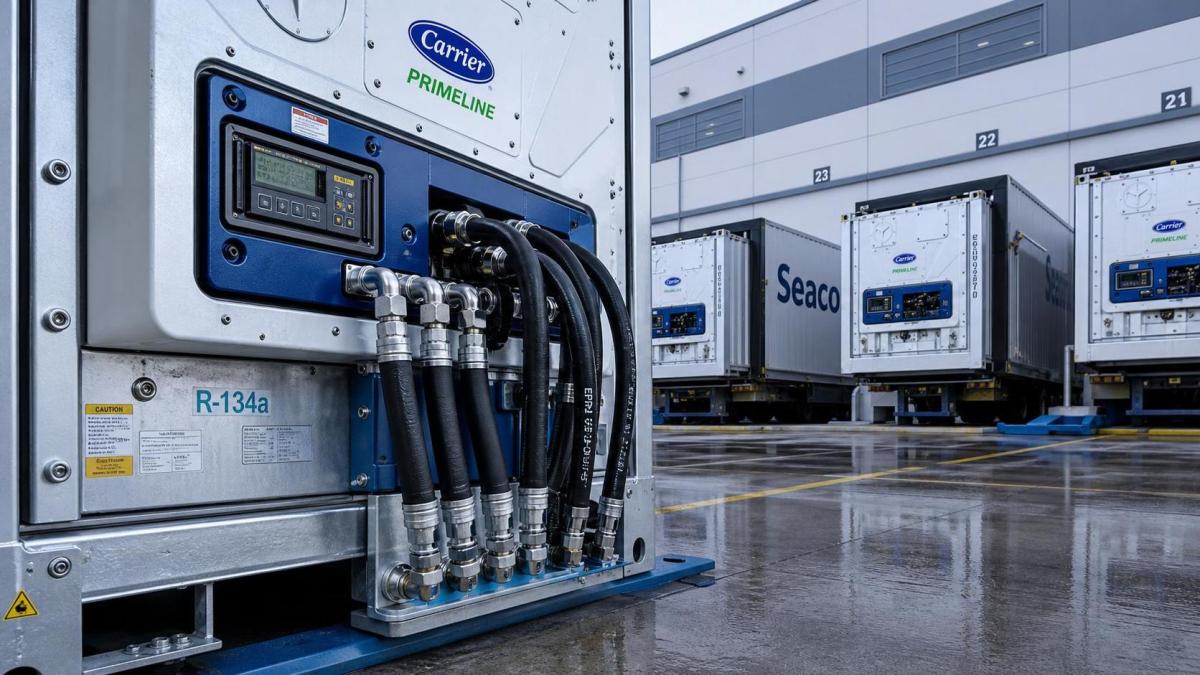
What the EPA Proposal Specifically Covers
The confirmed fact is that the EPA released a proposed rule on May 26, 2026. According to the information provided, the proposal would exempt TRUs used in highway and intermodal container transportation from compulsory HFC leak repair obligations.
The information provided also indicates that this change directly affects compliance recognition for sealing-related components used in TRU systems, including EPDM Coolant Hoses, NVH Hydraulic Mounts, and FFKM Perfluoroelastomers. Components that previously needed to meet stricter dynamic sealing durability validation may, under this proposed adjustment, move into a more flexible maintenance exemption pathway.
Another confirmed point is that manufacturers exporting cooling system sealing solutions to North America need to reassess how the “applicable regulatory scope” is described in product technical documentation and customer declarations.
Where the Impact May Be Felt Along the Supply Chain
Exporters of sealing solutions may face documentation adjustments first
From an industry perspective, the first impact is likely to appear in export-facing compliance work rather than in immediate product redesign. Companies supplying TRU-related sealing products into North America may need to review whether existing product descriptions, declarations, and application statements still match the regulatory framing implied by the proposal.
Component manufacturers may need to revisit end-use positioning
Analysis shows that manufacturers of EPDM Coolant Hoses, NVH Hydraulic Mounts, and FFKM Perfluoroelastomers may be affected because the compliance boundary is linked not only to material performance, but also to the recognized end-use scenario inside TRU systems. The practical issue is not simply whether a part performs well, but whether its application still sits within the same regulatory expectation as before.
Customers and procurement teams may need clearer application statements
For buyers and downstream application teams, the likely impact is in qualification language, specification matching, and contract communication. If a component is now associated with a more flexible maintenance exemption path, procurement and technical teams may still want clarity on what has changed in compliance interpretation and what has not.
Supply chain service providers may need closer alignment on paperwork
Observably, firms involved in export documentation, delivery coordination, and customer support may also be affected. The main issue is whether shipping documents, technical packs, and customer declarations continue to describe the applicable regulatory scope consistently across transactions.
What Companies Should Watch Now
Track the exact wording of the proposed rule
What deserves closer attention is the distinction between a proposed rule and a finalized requirement. Companies should focus on how the official language defines the exemption and how that language may affect interpretations tied to TRU applications and associated sealing components.
Review regulatory scope language in technical files
For exporters, a practical priority is checking whether product technical documents, datasheets, declarations, and customer communications contain wording that assumes a narrower or stricter compliance scenario than the one that may apply if the proposal advances.
Separate product capability from regulatory applicability
Analysis shows that companies should avoid treating a possible maintenance exemption pathway as a substitute for product performance evidence. The key operational point is to distinguish between what a component can technically withstand and how its end-use compliance classification may be described.
Prepare for customer questions before rules are settled
Manufacturers and suppliers may benefit from preparing a consistent explanation for customers in North America, especially on the meaning of “applicable regulatory scope,” the current status of the EPA action, and whether any existing declarations need revision.
Why This Looks More Like a Compliance Signal Than a Final Outcome
Analysis shows that this development is better understood as a regulatory signal with practical compliance implications, rather than a completed market outcome. The event matters because it touches the boundary between technical validation expectations and maintenance-related regulatory treatment in a defined TRU use case.
It is more appropriate to understand this as a dynamic item that still requires observation. The proposal may influence how companies describe, position, and document sealing components, but the information provided does not establish a finalized rule change or a complete downstream commercial result.
How the Industry May Best Read This Stage
At this stage, the significance of the update lies in compliance interpretation and documentation management. For the sealing solutions segment tied to TRU systems, the development does not automatically rewrite product requirements across the board, but it does introduce a reason to reassess how end-use regulatory boundaries are communicated.
A neutral reading is that this is neither a routine wording change nor a fully settled regulatory endpoint. It is more appropriate to understand it as a proposal that could affect technical documentation, customer declarations, and application-specific compliance positioning for North America-bound products.
Basis of This Article and Ongoing Verification
This article is based on the user-provided news title, event date, and event summary. The confirmed inputs used here are the EPA proposal date of May 26, 2026, the proposed exemption for TRU HFC leak repair requirements, the referenced impact on EPDM Coolant Hoses, NVH Hydraulic Mounts, and FFKM Perfluoroelastomers, and the need for North America-focused exporters to review statements about applicable regulatory scope.
For this type of industry update, commonly relevant source categories include official announcements, company disclosures, industry association information, authoritative media reporting, and standards-related documents. A specific official source link was not provided in the input, so continued verification remains necessary. The main follow-up point is whether the EPA’s proposed wording changes further and how any later official expression may affect compliance interpretation for TRU-related sealing applications.
Search News
Hot Articles
- API 682 & REACH ComplianceHow to Select a Robotic Assembly Automation Integrator for High-Mix Production?Sep 16, 2026
- API 682 & REACH ComplianceWhere Edge Computing Delivers the Most Value in Industrial Robotics CellsSep 15, 2026
- API 682 & REACH ComplianceHow to Evaluate Robot Torque Sensor Manufacturers for Precision Assembly LinesSep 14, 2026
Popular Tags
Need ExpertConsultation?
Connect with our specialized leisureengineering team for procurementstrategies.
Recommended News